Since 1960The bench,
not the factory
His story
Forty years, in seven lines- 01
At fifteen, he saw a table where others saw firewood.
- 02
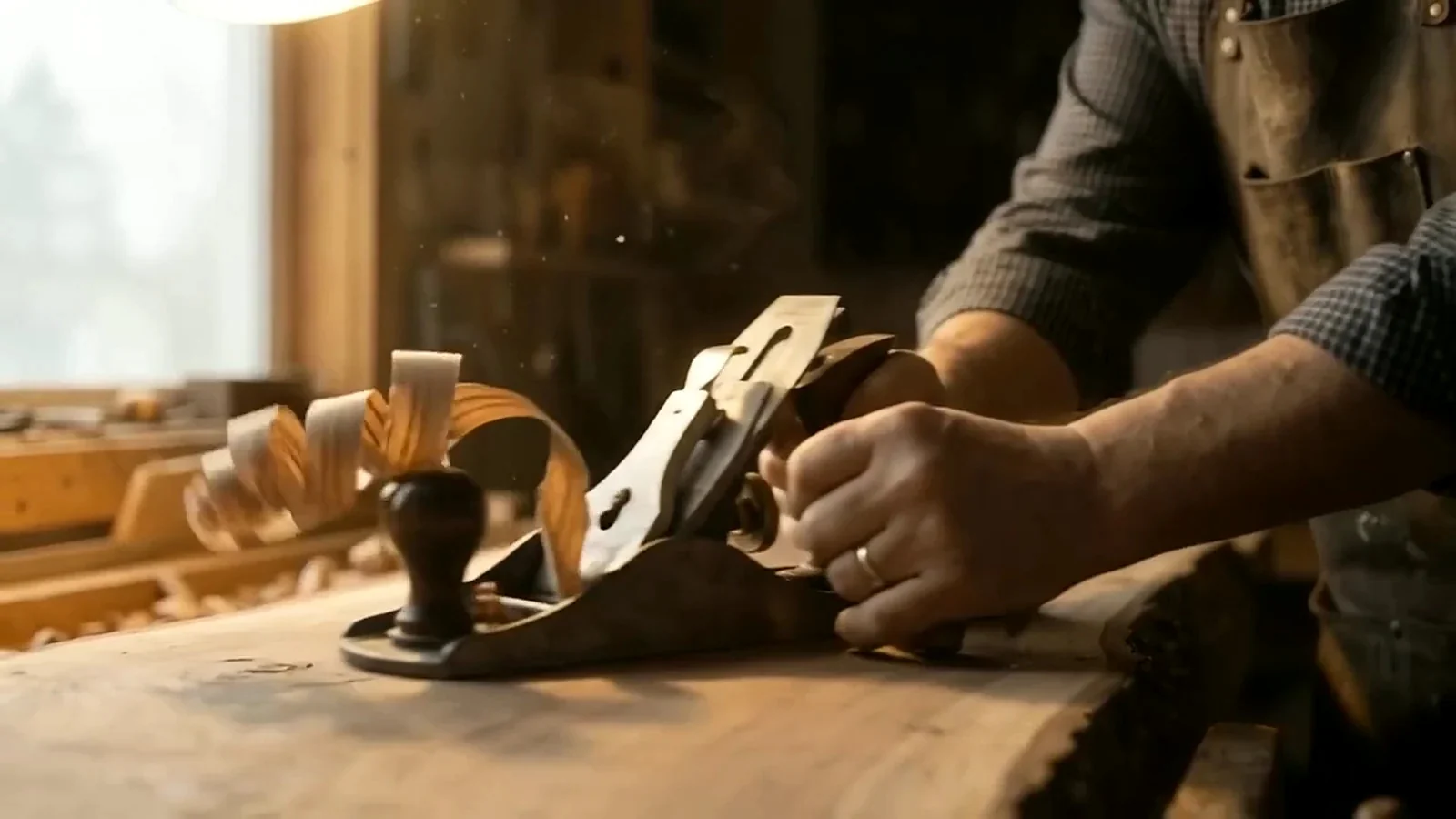
He learned it the slow way — by hand, one shaving at a time.
- 03
This is Peter Scalera. Every piece still passes through his hands.
- 04
No factory. No crew. One man, and the bench he built.
- 05
He finishes each piece the way he always has — by hand, alone.
- 06
Made once, and made to outlive its maker.
- 07
Not bought to decorate a room — kept to be passed down.
Peter Lawrence Scalera has worked at a single bench in New Fairfield, Connecticut for four decades. One man, one material — black walnut — and a way of working that has never moved to a factory.
Every piece is planed, joined, levelled and finished by hand. The wood is chosen where that species is genuinely at its best, wherever in the world that is, then left to move and settle before a single joint is cut.
From tree to piece
The process- 01
Source
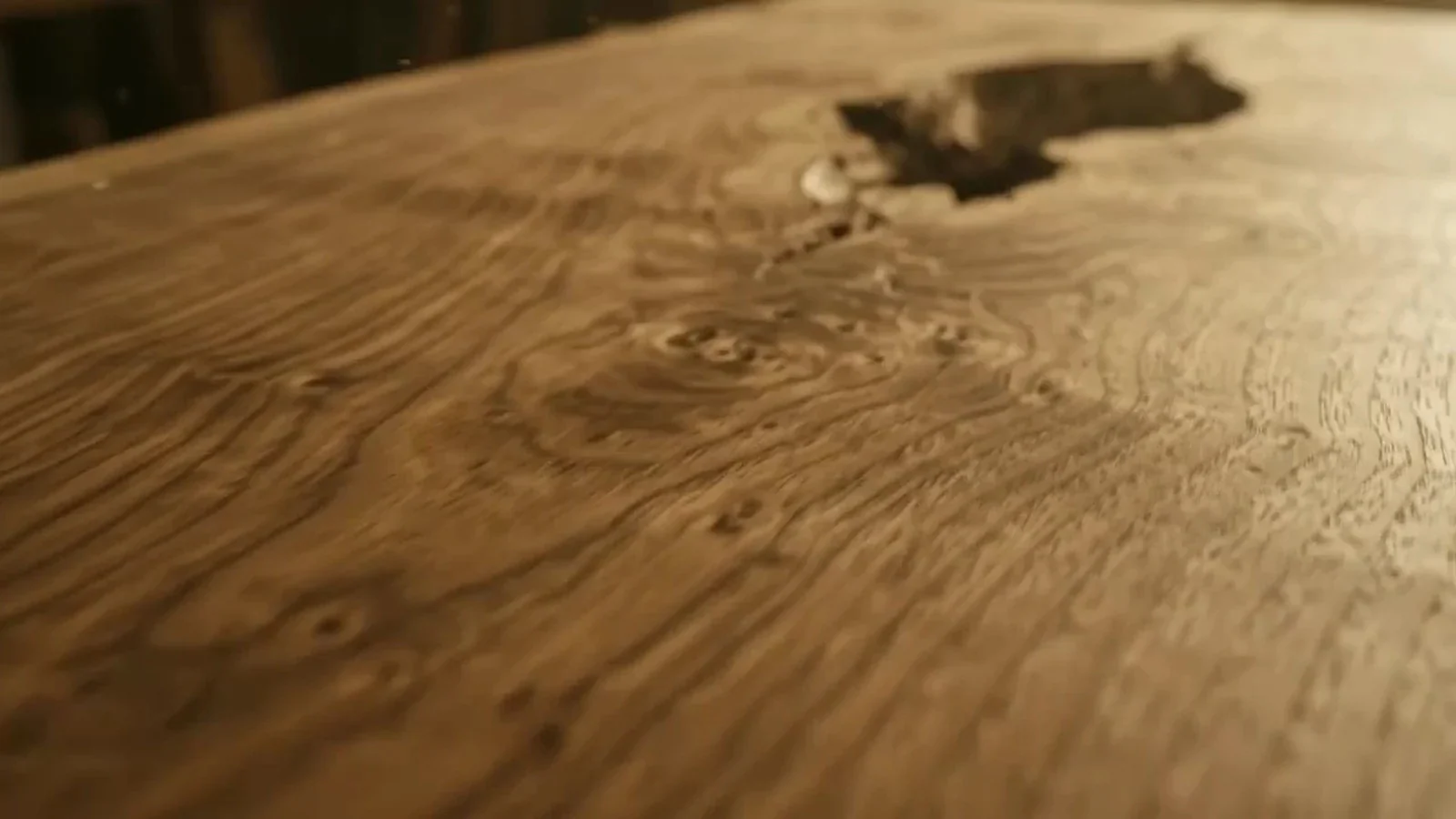
Every board is chosen by hand — for its pattern, the natural edge left as the tree grew, and the character already in the wood.
- 02
Settle
Once cut, the wood is left alone to settle. Wood worked too soon cracks later — this step cannot be rushed.
- 03
Joinery
Cut, joined and levelled at the bench — hand-cut and dovetailed where it counts, so the piece outlives its owner.
- 04
Finish
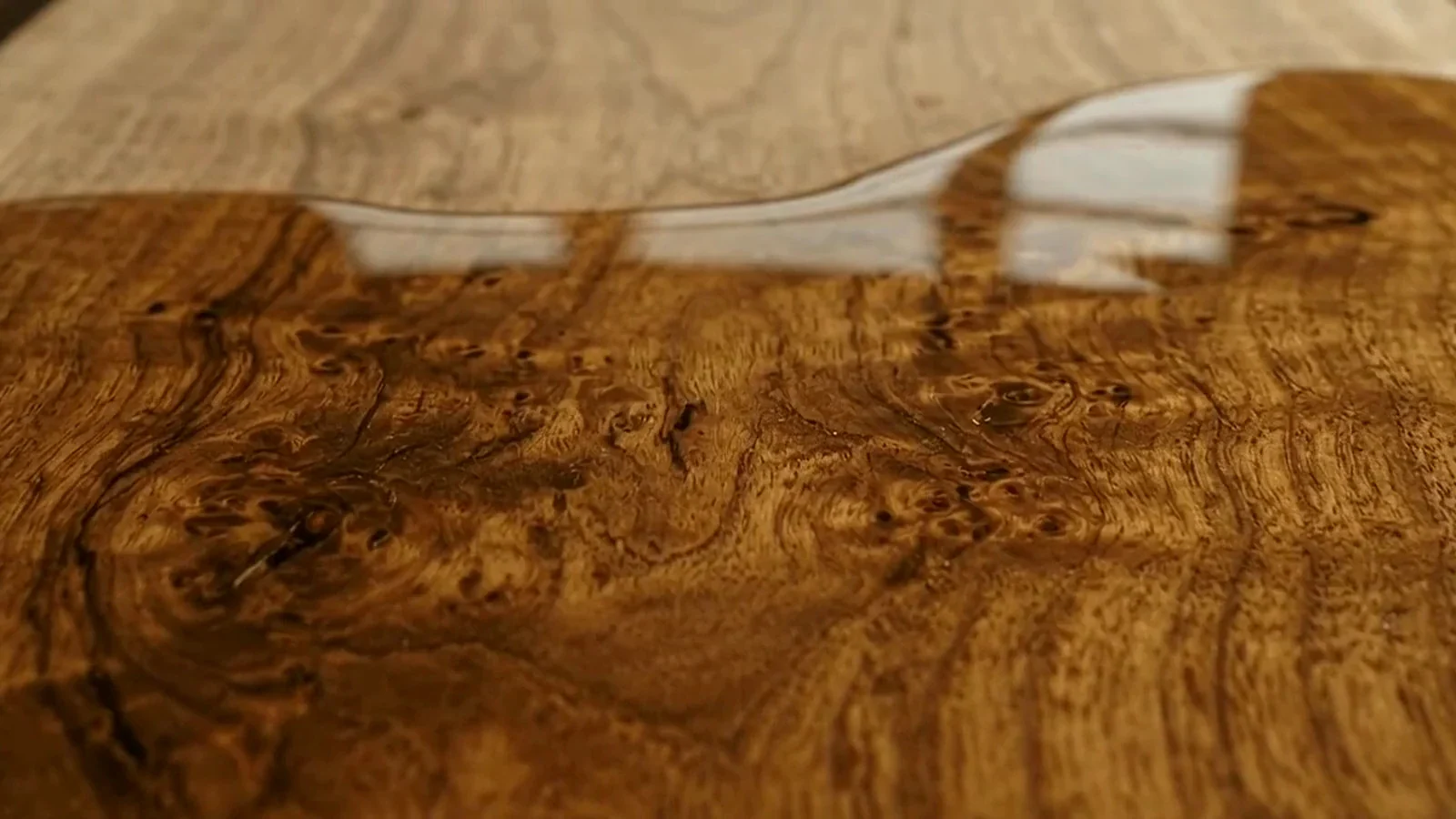
Hand-rubbed oil, worked in by hand — the surface you actually touch, not a coating sprayed over it.
A commission, step by step
Made to the room- 01
Tell us the room
A message on WhatsApp with the space, the piece and roughly the budget. No obligation, no showroom.
- 02
Drawings first
We draw and agree the piece, the timber and the price before anything is cut. You sign off, then work starts.
- 03
Built and placed
Made at the bench over the lead time, then delivered and set in the room it was drawn for.